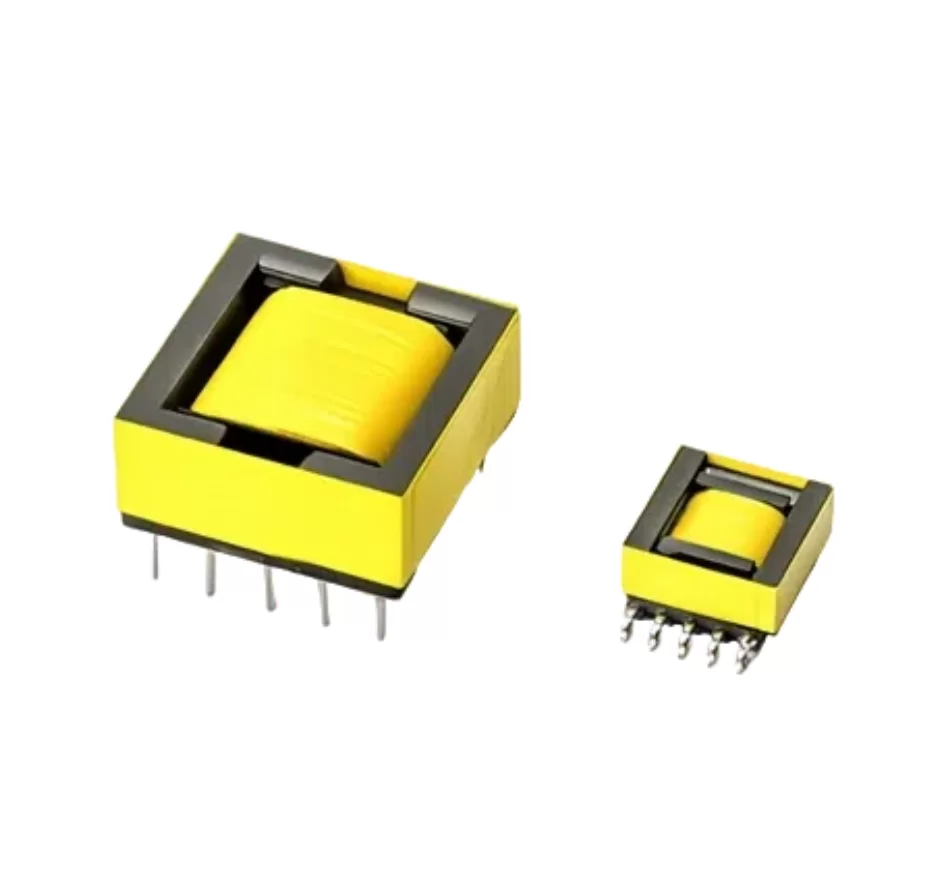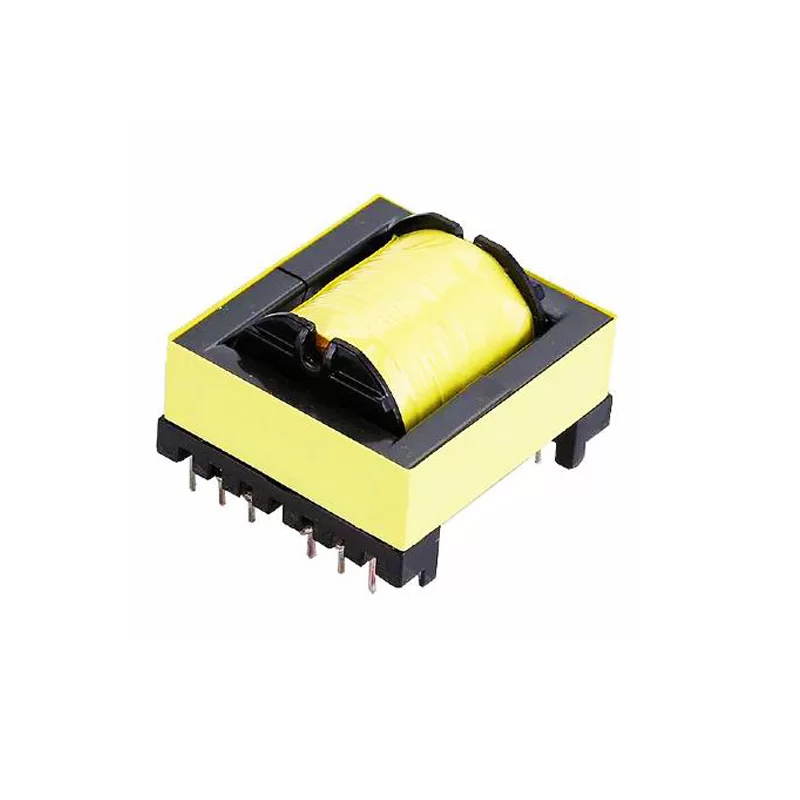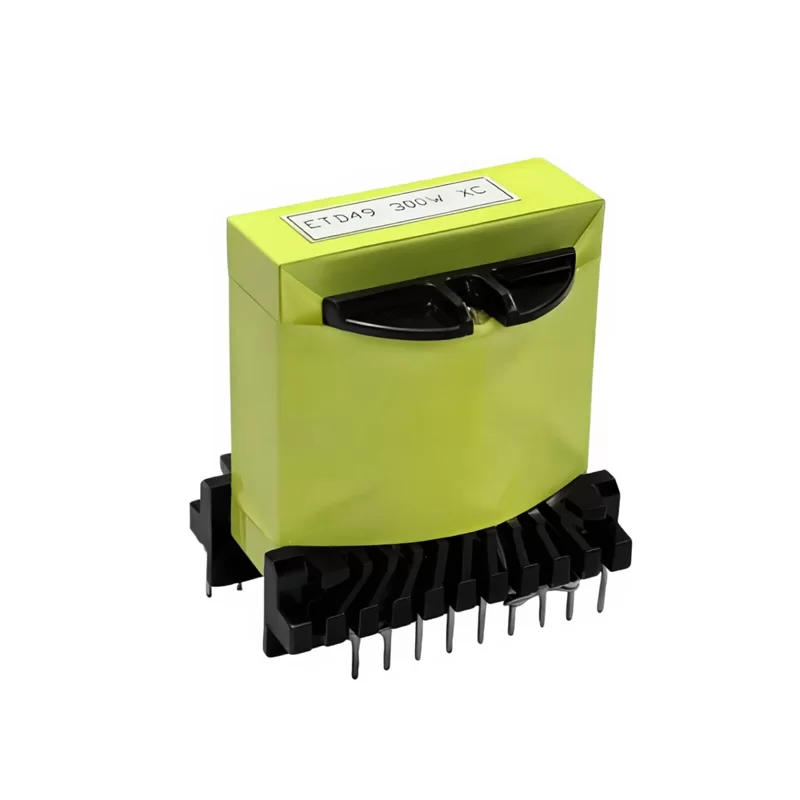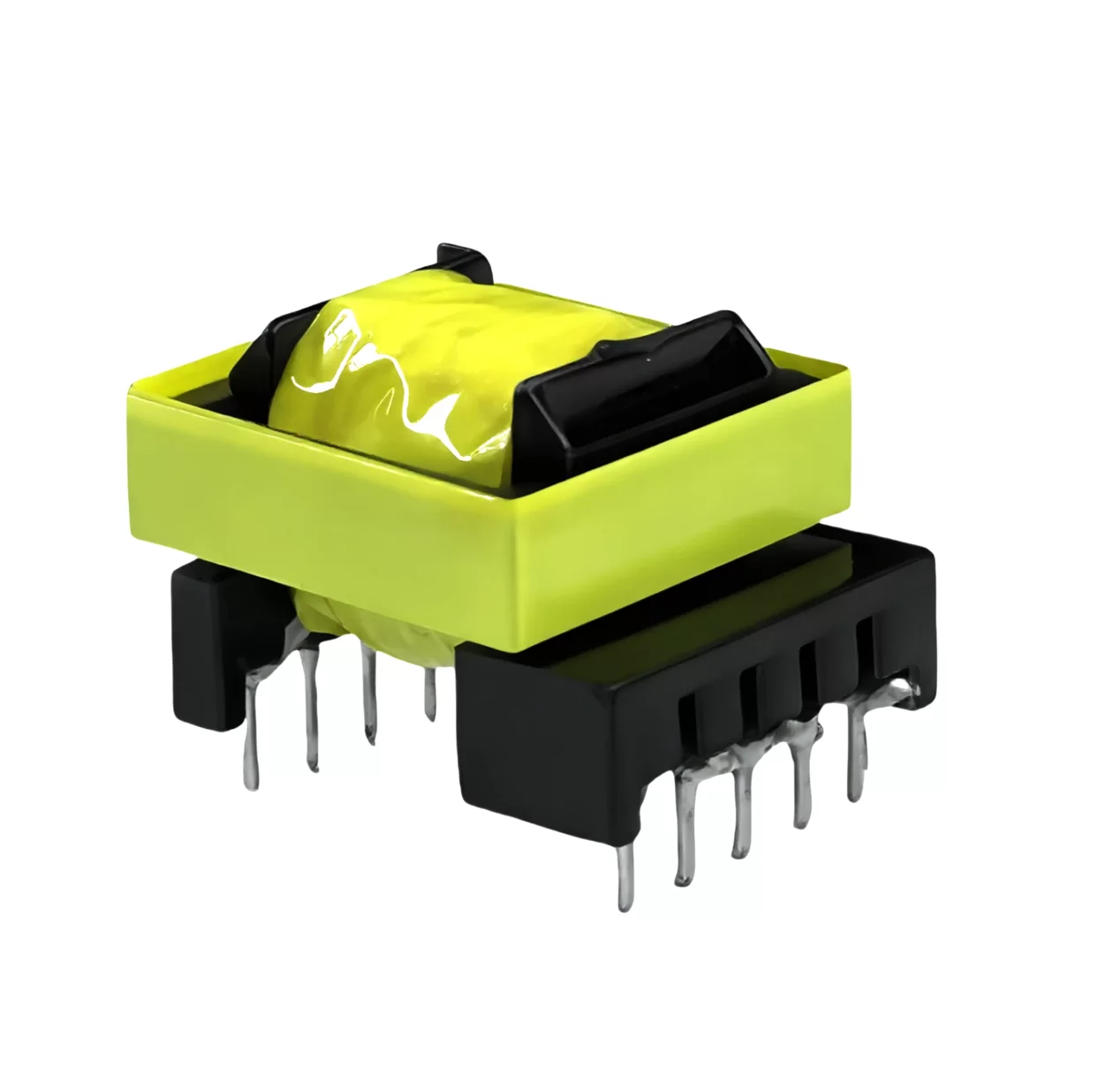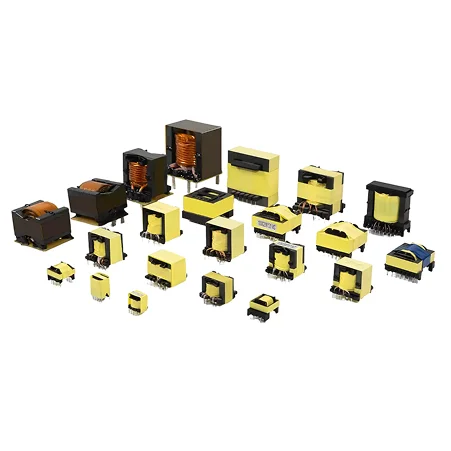
High Frequency Transformer

A high frequency transformer is a specialized type of transformer designed to operate efficiently at frequencies typically ranging from 20 kHz to several megahertz. Unlike conventional power transformers that work at 50 or 60 Hz, high frequency transformers are optimized for high-speed switching power supplies, converters, and communication systems. Their compact design, high efficiency, and excellent power density make them ideal for modern electronic devices and industrial equipment.

These transformers are commonly used in switch-mode power supplies (SMPS), inverters, induction heating systems, and wireless charging technologies. By operating at high frequencies, they significantly reduce core size, winding losses, and overall weight—providing a lightweight and energy-efficient solution for power conversion.

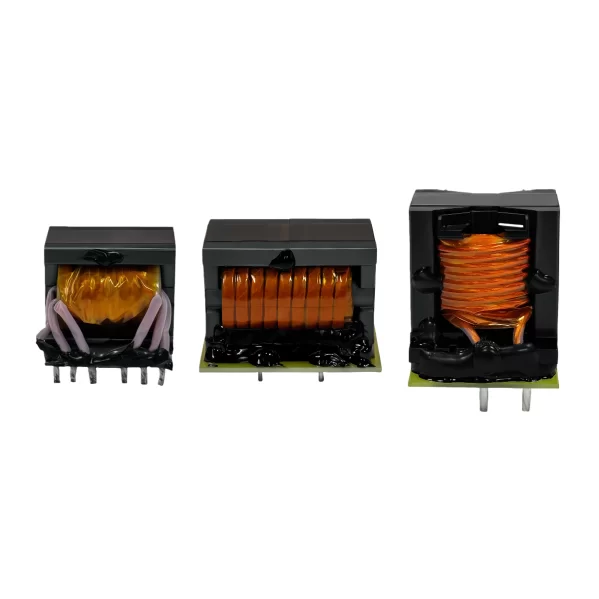
The construction of a high frequency transformer involves advanced magnetic core materials such as ferrite or nanocrystalline alloys, which minimize core losses at elevated frequencies. The winding technique is carefully designed to reduce parasitic capacitance and leakage inductance, ensuring stable performance and low electromagnetic interference (EMI).

In today’s fast-developing electronics industry, high frequency transformers play a critical role in improving power conversion efficiency, reducing energy consumption, and supporting miniaturized device design. With precise engineering and quality materials, they enable high-performance power delivery for both consumer electronics and industrial applications.
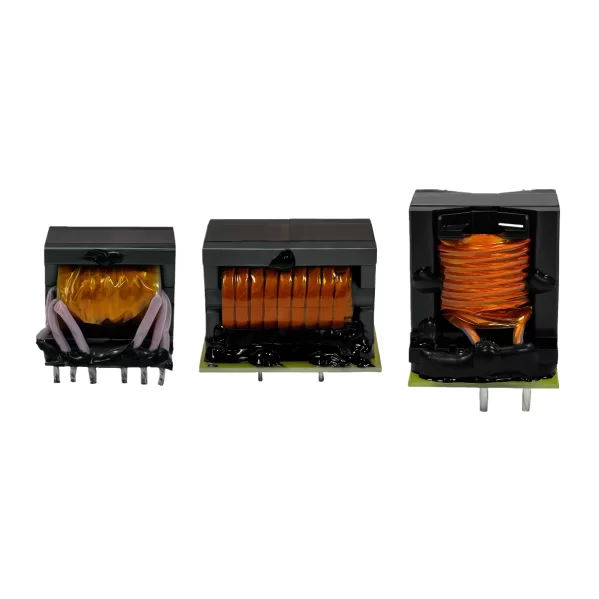
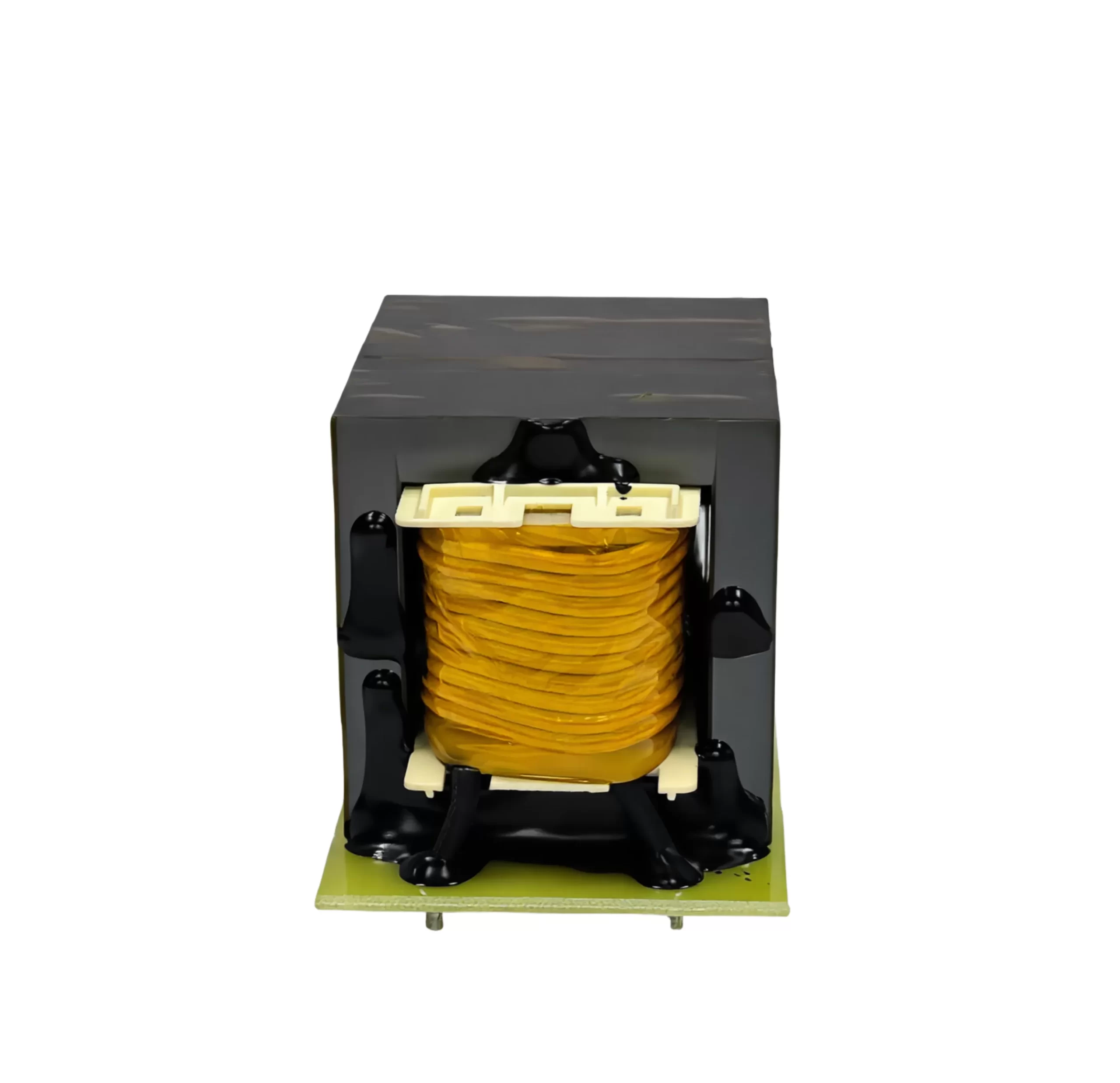
High Frequency Transformer

Use of High Frequency Transformer

A high frequency transformer is widely used in applications that demand efficient energy transfer and compact design. One of the most common uses is in switch-mode power supplies (SMPS), where the transformer converts electrical energy between different voltage levels while maintaining isolation between circuits. In DC-DC converters, these transformers enable high-efficiency voltage regulation and power conversion in devices such as laptops, LED drivers, and battery chargers. They are also integral to inverters for solar power systems, converting DC to AC with minimal energy loss. Another significant use is found in induction heating and welding equipment, where high frequency operation allows rapid energy transfer and precise temperature control. In communication systems, they provide impedance matching, voltage isolation, and signal transmission over high-frequency circuits. Because of their lightweight construction and ability to operate efficiently at high frequencies, these transformers are increasingly used in electric vehicles (EVs), wireless charging systems, and portable medical equipment. The compact design also helps manufacturers reduce overall system size and improve power density.

High Frequency Transformer Core Material

  • Ferrite Core Material

    Ferrite is the most widely used core material for high frequency transformers. It provides high magnetic permeability, low eddy current losses, and excellent performance at frequencies above 20 kHz.
  • Nanocrystalline Core Material

    Nanocrystalline alloys offer superior magnetic properties, lower core losses, and higher saturation flux density. They are ideal for high-power and high-efficiency transformer designs.
  • Amorphous Core Material

    Amorphous metal cores have a disordered atomic structure, resulting in reduced hysteresis loss and improved energy efficiency. They are suitable for lightweight, energy-saving transformer applications.

High Frequency Transformer Design

The design of a high frequency transformer focuses on achieving high efficiency, low loss, and compact size while maintaining electrical isolation and thermal stability. Engineers carefully select core materials, winding configurations, and insulation methods to optimize magnetic performance at high switching frequencies.
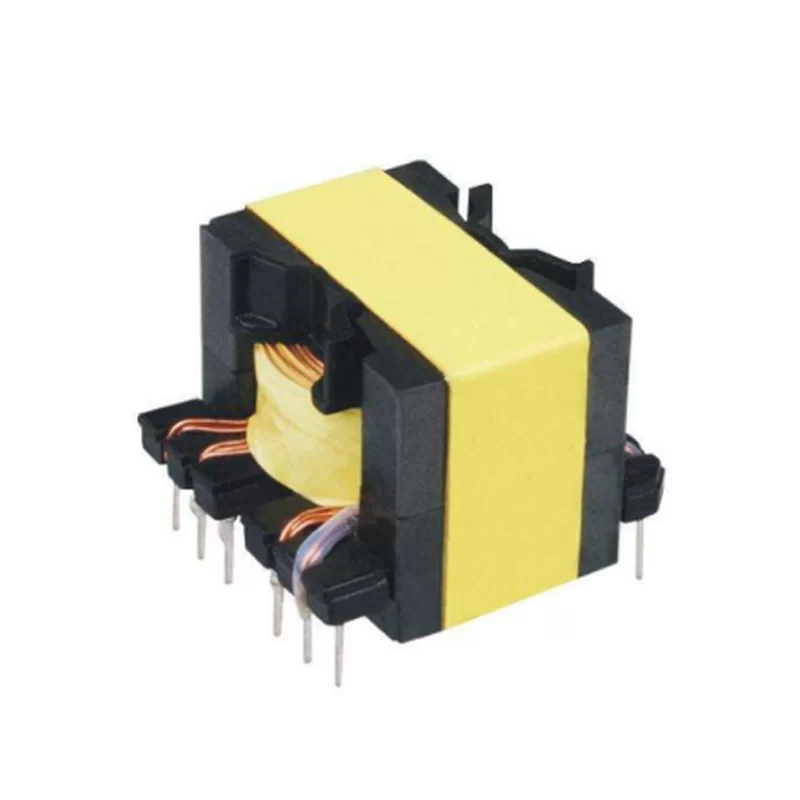
New Energy PQ Transformer

Magnetic Core Design

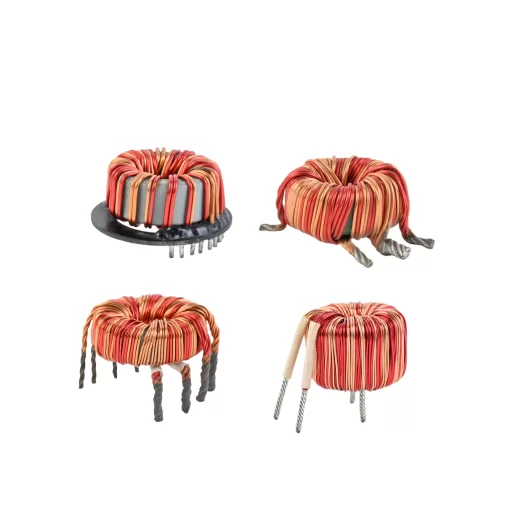
The core material and geometry are selected based on operating frequency and power level. Toroidal or E-core shapes are often used to minimize magnetic leakage and EMI.
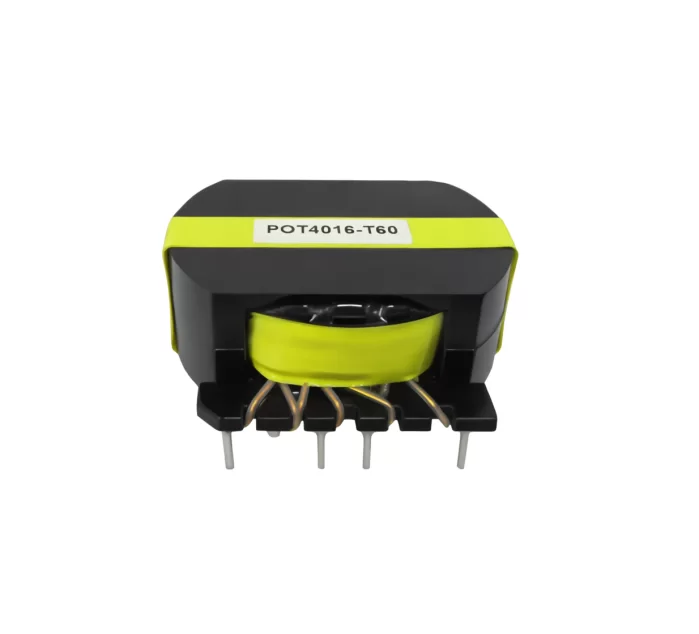
POT Transformer

Winding Technique and Layout

Special winding methods such as litz wire, planar windings, or multi-layer configurations are used to reduce skin effect and proximity losses, enhancing current handling capability.
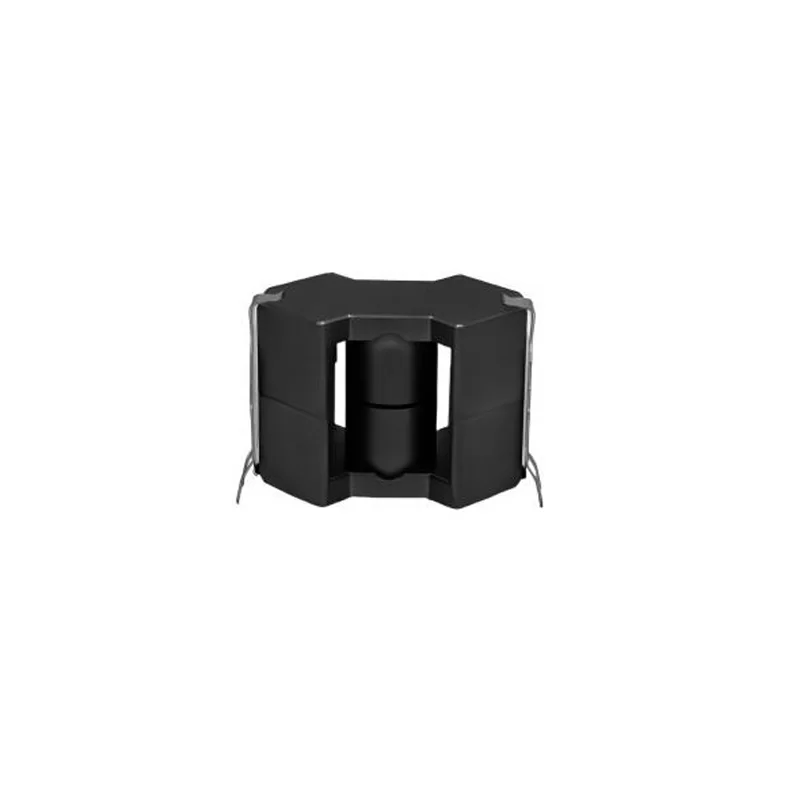
High Frequency Transformer EFD Type

Thermal Management and Insulation
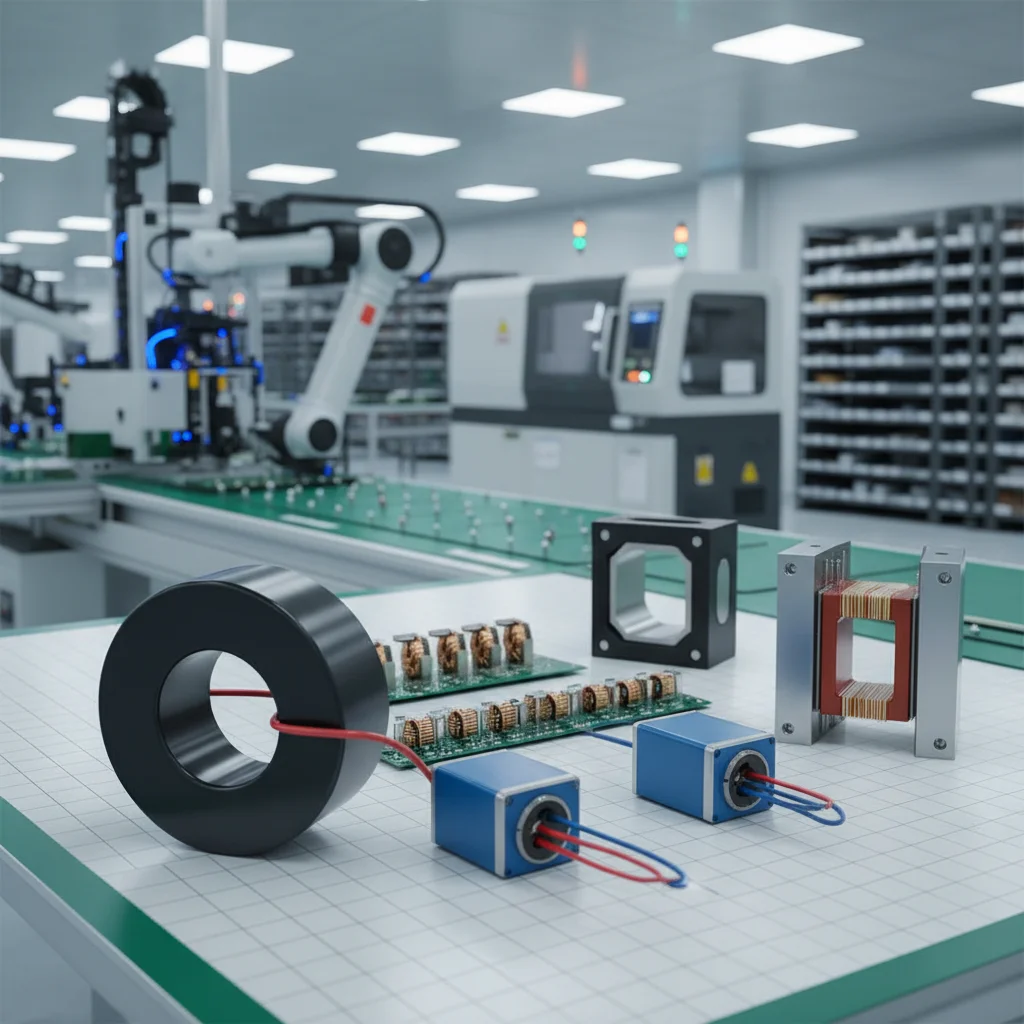
Efficient cooling and high-grade insulation materials are essential to maintain stable operation at high frequencies. Proper thermal design extends lifespan and ensures reliable performance under continuous operation.

If you are interested in our products, you can choose to leave your information here, and we will be in touch with you shortly.