
Hit enter to search or ESC to close
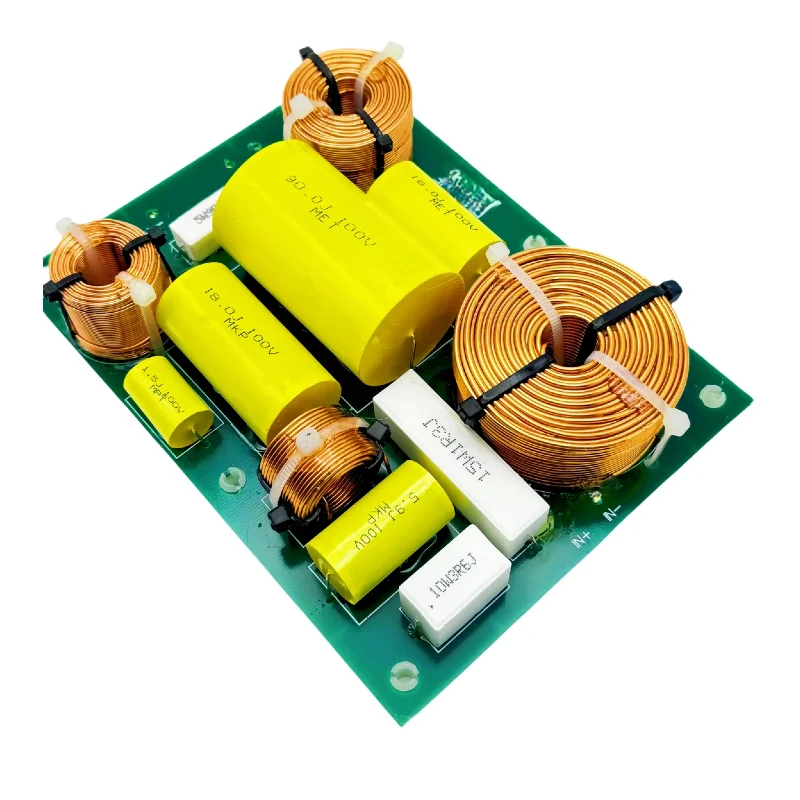
A speaker crossover is an essential audio component that divides an audio signal into separate frequency ranges, ensuring that each driver (woofer, tweeter, and midrange) receives the correct frequencies for optimal sound quality. There are three main types of crossovers—passive, active, and digital—each designed for different applications and levels of control.
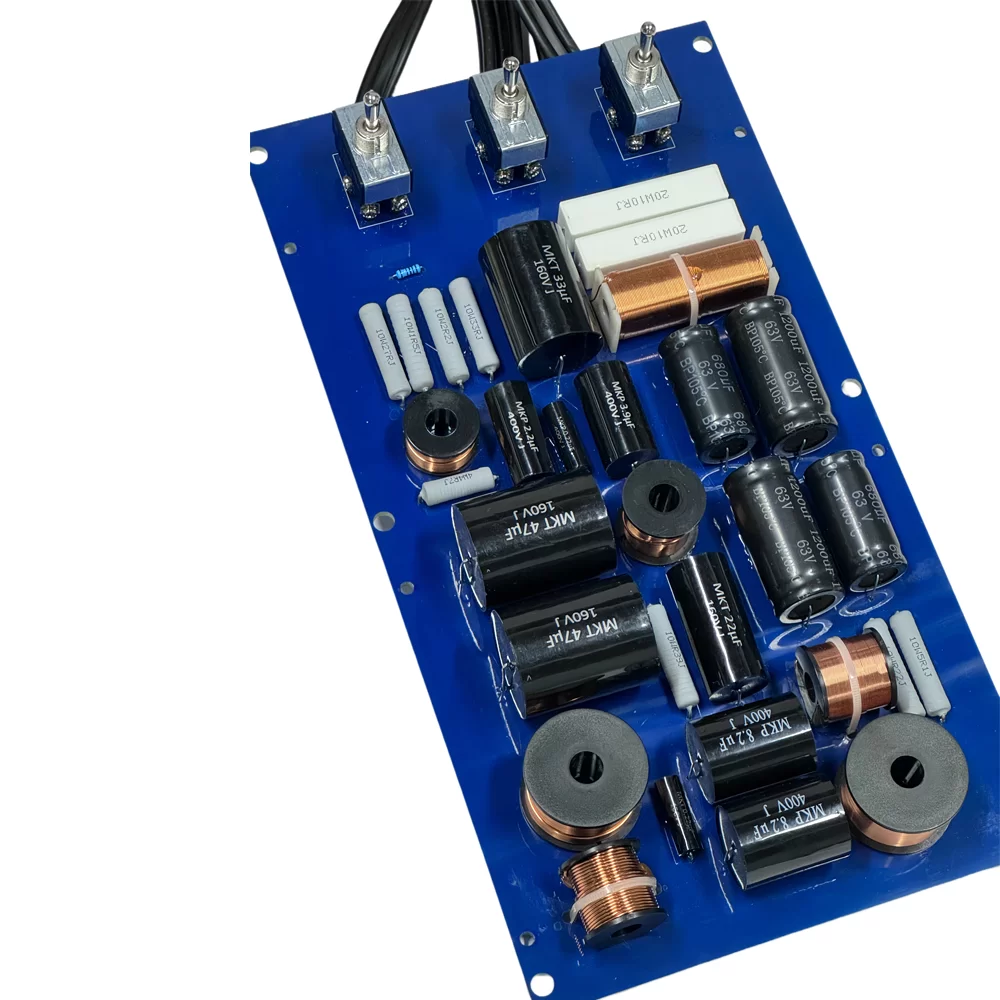
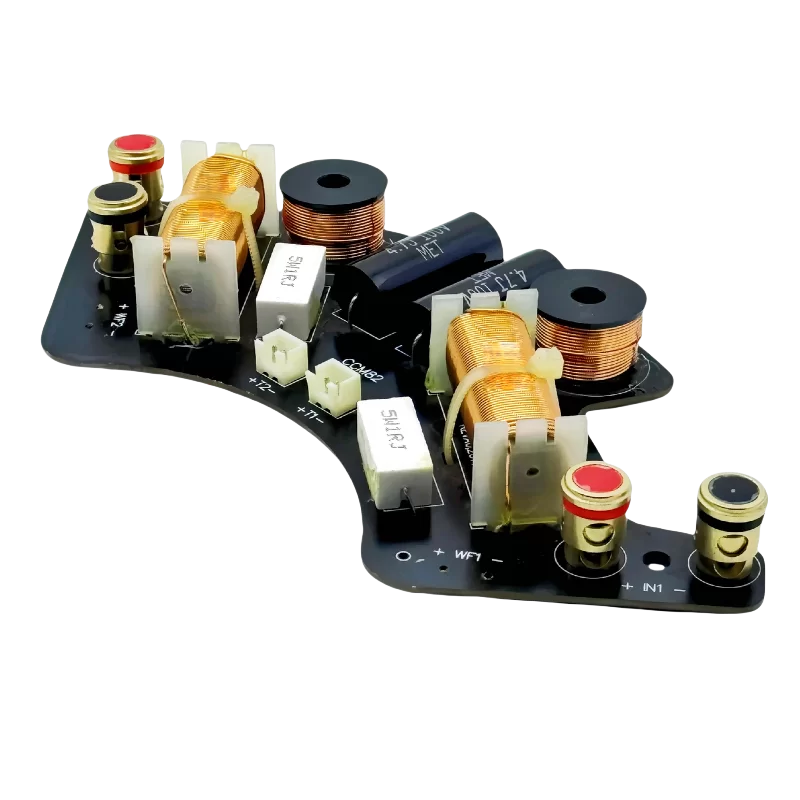
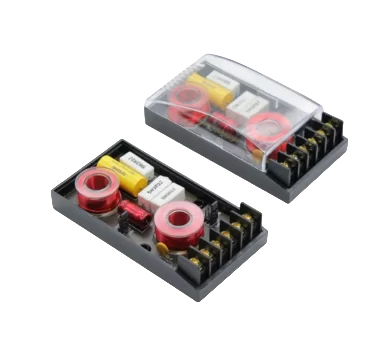
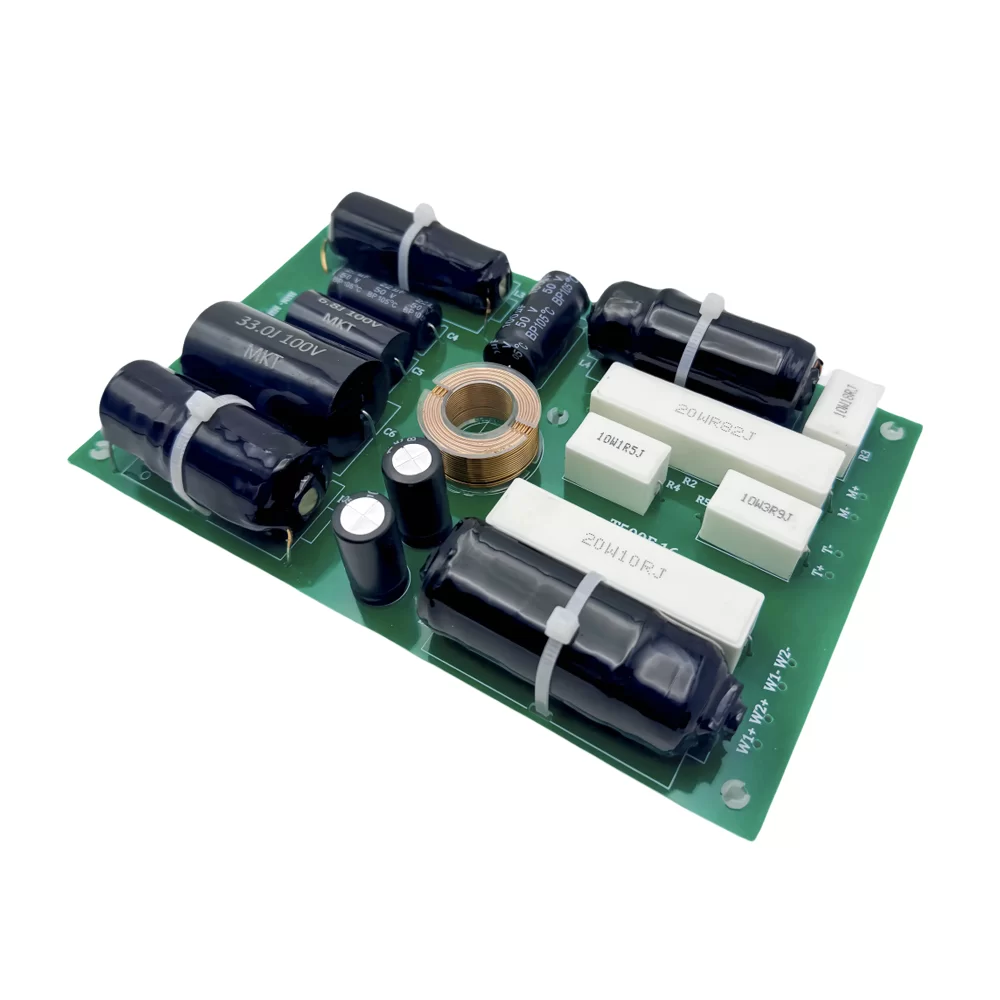
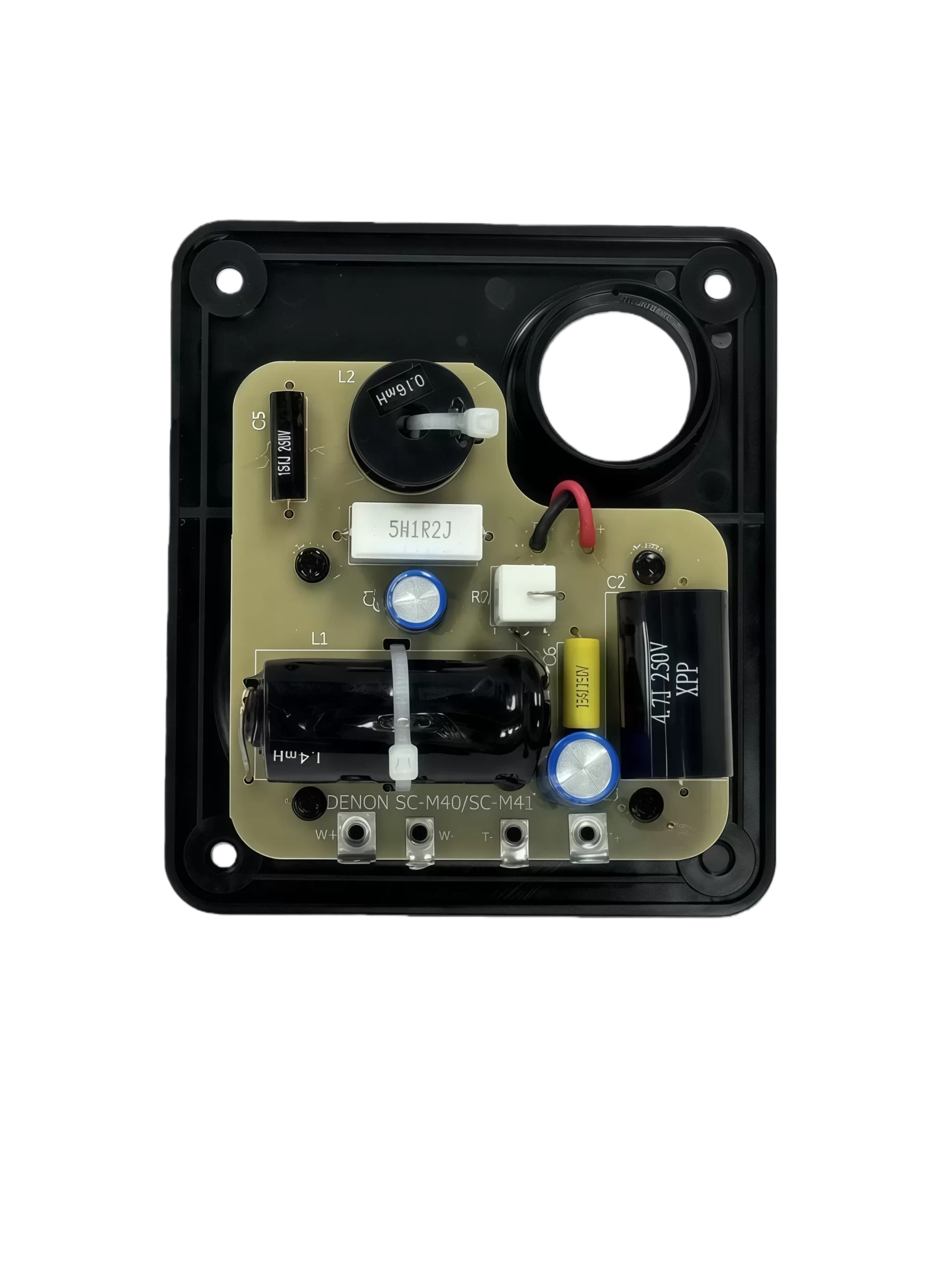
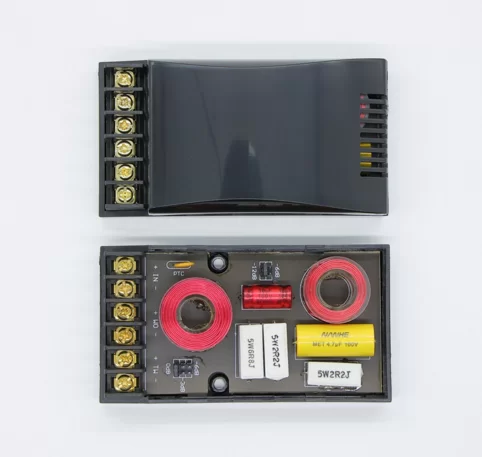
Passive crossovers are built using capacitors, inductors, and resistors placed between the amplifier and the speakers. They don’t require external power and are widely used in home and car audio systems due to their simplicity and reliability.
Active crossovers, on the other hand, split the signal before amplification. They require external power but offer greater control over crossover points, gain, and phase alignment—ideal for high-end or professional audio setups.
Digital crossovers use DSP (Digital Signal Processing) technology to manage multiple frequency bands with precision. They allow customizable filtering, time alignment, and equalization, making them perfect for modern car audio systems, home theaters, and stage sound reinforcement.
Each type plays a vital role in ensuring smooth frequency transitions and balanced sound output across all speaker components.
Identify the Speaker Configuration
Set the Crossover Frequency and Slope
Fine-Tune for Sound Balance
Improves Sound Clarity and Definition
Protects Speakers from Damage
Enhances System Customization